
Insulated Glass
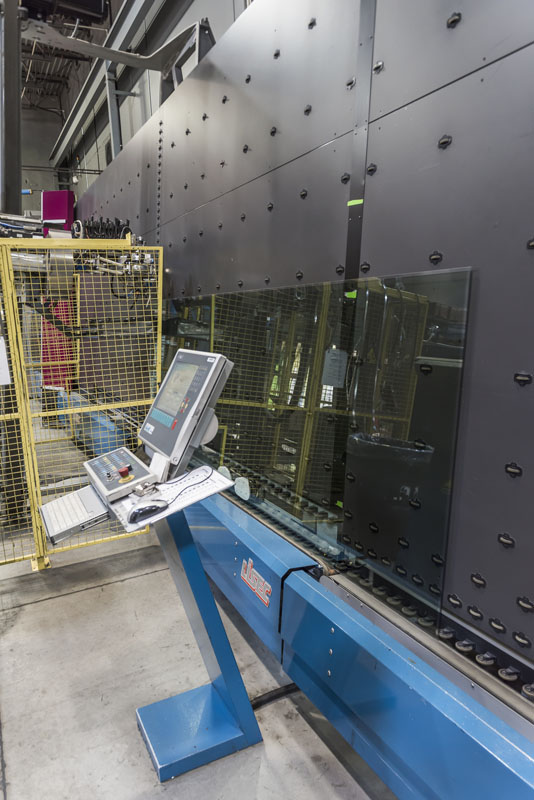
At PFG Glass, we understand that insulated glass units represent the foundation of modern energy-efficient building design. Our three state-of-the-art, fully automated IG lines produce precisely engineered assemblies that manage thermal transfer, reduce energy consumption, and enhance occupant comfort across Western Canada’s diverse climate conditions. All of our insulated glass products are IGCC (Insulating Glass Certification Council) certified, and our commitment to quality extends from the treated water in our washers to the final seal on every unit.
Understanding Insulated Glass Technology
Insulated glass units consist of two or more panes of glass separated by a sealed space, creating a highly efficient insulating envelope. This fundamental design significantly reduces heat transfer compared to single-pane glass, optimizing the thermal efficiency of the entire window system. The technology addresses the three mechanisms by which heat moves through fenestration: conduction through solid materials, convection via air currents within the cavity, and radiation between glass surfaces.
High-performance insulated glass units combine specialized technologies to address each heat transfer mechanism simultaneously. Inert gas fills reduce conduction and convection, while Low-E coatings control radiative heat transfer. Warm-edge spacer systems minimize thermal bridging at the perimeter where, historically, metallic spacers created a conductive path that undermined the insulating qualities of the gas fill.
The result is a precision-engineered assembly that maintains comfortable interior temperatures, reduces energy consumption for heating and cooling, and meets increasingly stringent building code requirements for thermal performance.


Advanced Gas Fill Technology
The space between glass panes in our insulated units can be filled with specialized inert gases that significantly enhance thermal performance.
Argon Fill
Argon represents the most common inert gas choice for high-efficiency windows. This gas is more viscous and moves slower than ordinary air, and its lower thermal conductivity reduces heat transfer via both conduction through the gas medium and convection currents within the space. Argon offers favourable thermal performance with cost-effectiveness, making it the standard for high-efficiency residential and commercial applications.
Warm-Edge Spacer Technology
The spacer system separates the glass panes, maintains the defined gas cavity width, and contains the desiccant material that absorbs moisture to ensure a dry internal environment. Traditional aluminium spacers created a thermal bridge at the perimeter, allowing heat to bypass the insulating gas fill. Our warm-edge spacer options dramatically reduce this heat transfer path.
Low-E Coating Options
Low-Emissivity glass employs microscopically thin metallic coatings applied to internal surfaces of the glass panes. These high-tech transparent coatings manage radiative heat transfer by acting as selective filters. They allow high levels of natural visible light to pass into the building while reflecting thermal energy.
Frequently Asked Questions About Insulated Glass Products
What is Insulated Glass?
Insulated glass units (IGUs) are two or more panes of glass separated with a spacer and sealed at the edges to form a single unit. This glazing technology helps reduce heat loss, control glare, minimize noise pollution, and limit damage from UV light. In British Columbia, IGUs are typically filled with an inert gas, such as argon or krypton, for enhanced insulation, making them a critical building material for modern energy-efficient construction.
The sealed space between the panes creates a thermal barrier that significantly outperforms single-pane glass. When combined with Low-E coatings and warm-edge spacers, insulated glass units can reduce energy consumption for both heating and cooling while improving occupant comfort through more consistent interior temperatures.
What are the Benefits of Insulated Glass?
Insulated glass represents an important investment with major impact on building energy efficiency; however, not all IGUs deliver the same performance. Sealant quality, spacer type, Low-E glass coatings, and the number of glass panes make substantial differences in energy efficiency.
All IGUs help reduce heat loss in winter and keep cool air inside during summer, leading to more consistent indoor temperatures throughout the year. This translates to lower cooling and heating bills while reducing the amount of energy wasted by a building. The improved thermal envelope reduces strain on HVAC systems, potentially extending equipment life while lowering maintenance costs.
What are Insulated Glass Spacers?
Insulating glass spacers are critical components of double-pane or triple-pane windows. They provide the insulating air space between glass panes and ensure an optimal seal to attain maximum efficiency for both summer cooling and winter heating. Spacers are manufactured in conjunction with desiccant materials designed to absorb any moisture that may accumulate, preventing it from reaching the vision area, fogging the unit, and causing premature failure.
Spacers consist of either metal or warm-edge foam technology. Traditional aluminium spacers create a thermal bridge that allows heat to bypass the insulating gas fill, undermining unit performance. Warm-edge spacers dramatically reduce this heat transfer path.
What is Low-Emissivity Glass?
Low-Emissivity (Low-E) glass is energy-efficient window glass treated with microscopically thin coatings of metallic oxide to reduce the amount of energy and light transferred through it. These coatings are nearly invisible to the human eye but dramatically affect thermal performance.
In winter, the coating on Low-E glass reflects heat back into the building while reducing the transfer of cold air from outside. This helps regulate interior temperatures, leading to improved comfort in homes and office buildings alongside reduced heating and cooling costs. Low-E coatings block a substantial portion of ultraviolet (UV) light and infrared (IR) light, protecting furniture and fabrics from fading over time due to sunlight exposure.
What are Surface Numbers?
Each glass pane in an insulated glass unit consists of two surfaces. These surfaces are numbered beginning from the exterior glass surface (#1) and progressing inward. In a double-pane unit, surface #1 faces outside, surface #2 is the interior surface of the exterior pane, surface #3 is the exterior surface of the interior pane, and surface #4 faces the building interior.
Surface numbering is important because Low-E coating placement affects performance. Coatings placed on different surfaces control heat transfer in different ways. Surface #2 placement is common for cold-climate applications to reflect interior heat back into the building. Surface #3 placement may be specified for hot climates to reject incoming solar heat. Understanding surface numbering helps ensure coatings are placed correctly for intended performance.
Architects Area
Find out why architects and designers continue to trust PFG Glass for their glass product needs.